Symptom and next-step hub

Common window problems and what they can mean.

A symptom is evidence, not a diagnosis. Drafts, moisture and difficult operation can originate at the glass, sash, frame, installation joint, wall or indoor environment. This guide helps organize the next inspection without making structural or moisture claims from generic signs.

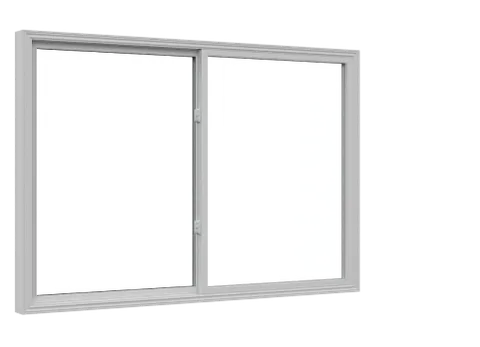
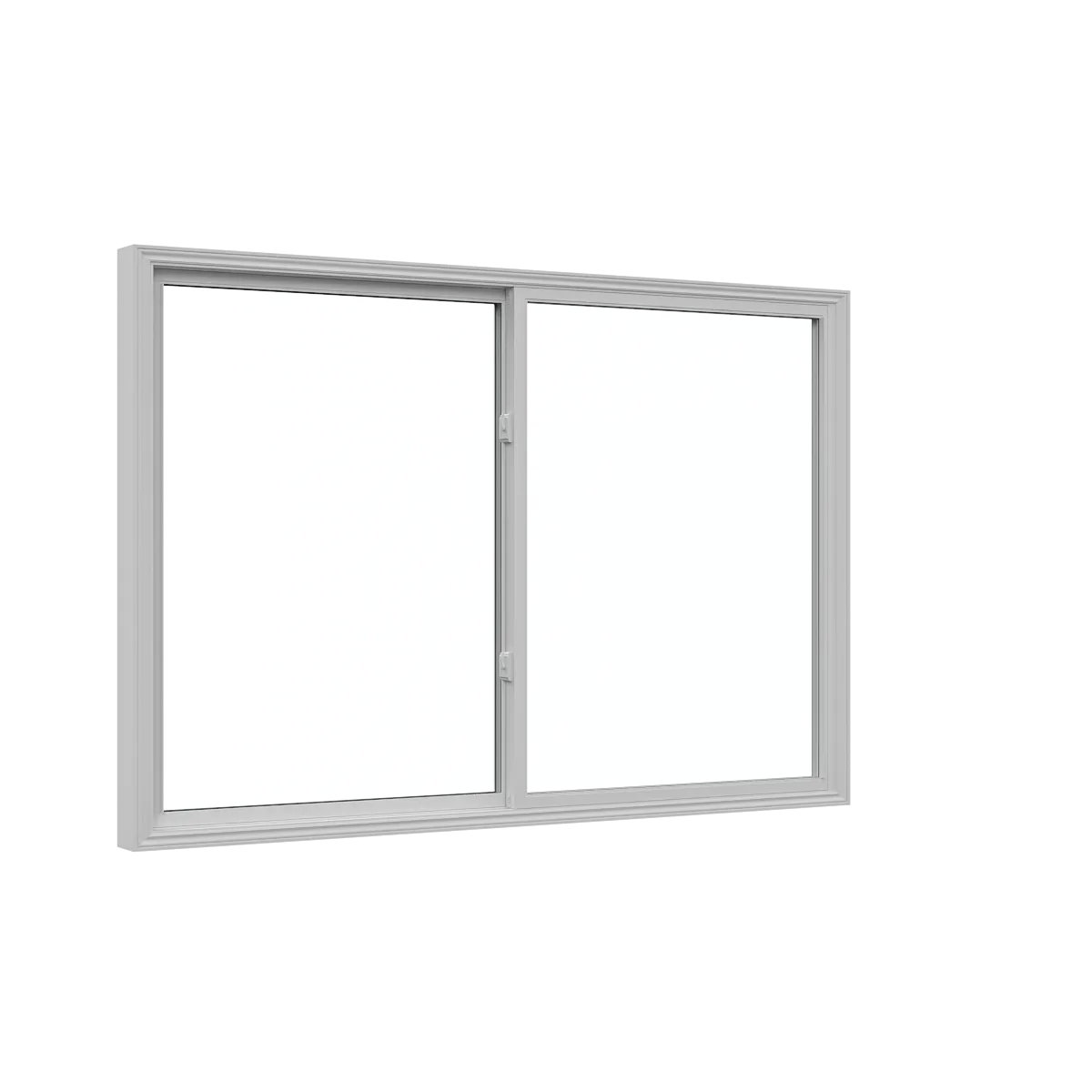
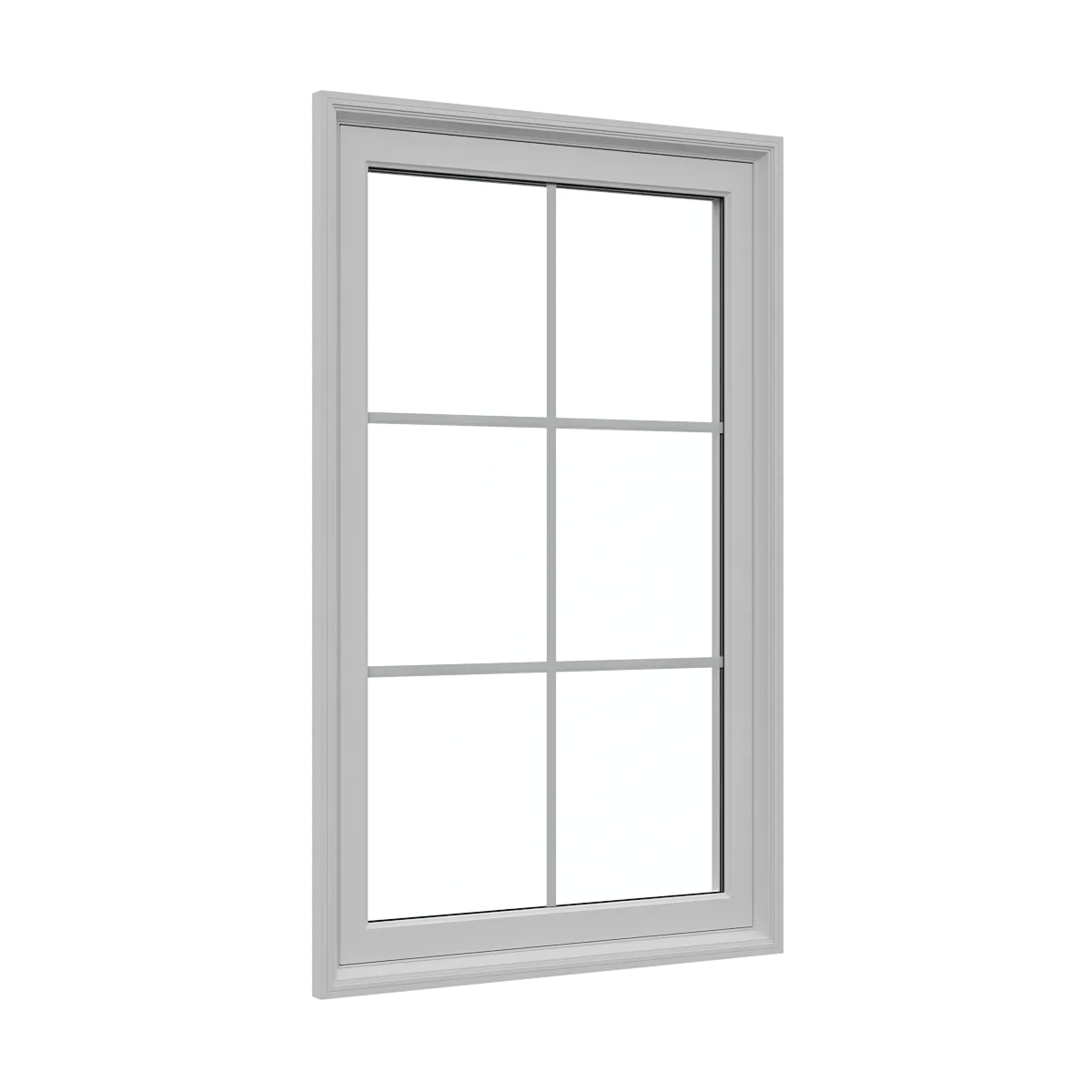
White single-hung replacement window with one sliding sash

A representative replacement window configuration. The exact product, options and performance details are confirmed in your written quotation.

01Separate symptom from cause02Record location and conditions03Distinguish component repair from replacement04Escalate active moisture and structural concerns

At a glance

Start with a clear project scope.

Some problems are repairable component issues. Others indicate a failing sealed unit, unsuitable frame or broader opening condition. Record when the symptom occurs, where it appears and whether it affects one window or many before deciding that replacement is the only response.

Active water entry, soft material, visible mould, suspected hazardous material or structural movement needs qualified site assessment. A web page cannot establish the source or safe repair scope.

Air and moisture

Drafts and condensation have several possible sources.

A draft may come through worn sash seals, an unlatched or misaligned operator, frame joints, the perimeter installation joint or nearby wall assemblies. Smoke pencils or invasive testing should be handled appropriately; a hand near the glass can also interpret normal radiant cooling as moving air.

Room-side condensation forms when an interior surface falls below the dew point of indoor air. Humidity, outdoor temperature, coverings and air circulation all matter. Moisture between panes is different and commonly indicates loss of the insulated-glass seal.

01

Drafts

Note whether air is felt at the sash, lock, frame perimeter or adjacent trim and whether adjustment changes it.

02

Interior condensation

Review humidity, weather, coverings, room airflow and interior surface temperature before blaming one component.

03

Between-pane moisture

Fogging or deposits within a sealed unit generally point to sealed-glass failure, which may allow glass-only or sash service.

Movement and hardware

Difficult operation can be adjustment, wear or frame movement.

Operators, balances, rollers, locks and hinges wear or move out of adjustment. Dirt in tracks and painted or swollen wood components can also affect movement. A qualified inspection should distinguish a replaceable part from frame distortion or installation movement.

Do not force a sash that binds or support heavy glass with improvised hardware. Record the product type, failed function and any available documentation before seeking parts or replacement.

01

Hard to open or close

Check for track debris, obvious obstruction and whether the sash is aligned, without dismantling structural or spring-loaded components.

02

Lock will not engage

May reflect adjustment, worn hardware or frame geometry; forcing the lock can damage components.

03

Damaged operator or balance

Part availability, glass weight and sash condition determine whether service is practical.

Water and deterioration

Leakage around a window needs source tracing, not a sealant guess.

Water appearing at the sill can enter through the window, failed exterior joints, cladding, flashing, roof or wall paths above. The visible location may be far from the entry point. Applying sealant without understanding drainage can conceal evidence or trap water.

Peeling finish, corrosion, soft wood, staining and movement should be documented. Active leakage and deteriorated framing deserve prompt qualified assessment. Replacement may become part of the repair, but it should be coordinated with the source and affected wall materials.

01

Water leakage

Record weather direction, timing, path and interior location; do not assume the nearest joint is the source.

02

Frame deterioration

Soft, corroded, cracked or distorted material can make frame retention unsuitable.

03

Concealed conditions

Damage behind trim or cladding cannot be confirmed from the room alone and may change the repair scope after opening.

Sound and next steps

Exterior noise is a system issue, not only a pane-count issue.

Sound paths can include glass, sash seals, trickle vents, frame joints, installation gaps and adjacent walls. Glass thickness, asymmetry, cavity spacing and tested ratings are more informative than assuming triple panes solve every noise concern.

Use the pattern of symptoms to decide between adjustment, component repair, sealed-unit replacement, a professional moisture investigation or complete window replacement. When replacement is considered, include the original problem in the written selection and installation goals.

Technical and configuration details

Common window problems and what they can mean.: construction and configuration details.

Each visual explains a specific detail relevant to common window problems and what they can mean.. Captions identify its practical limits.
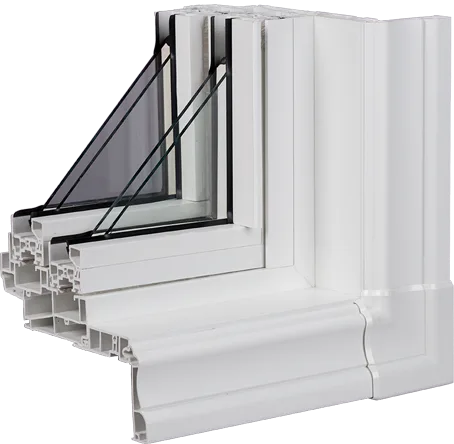
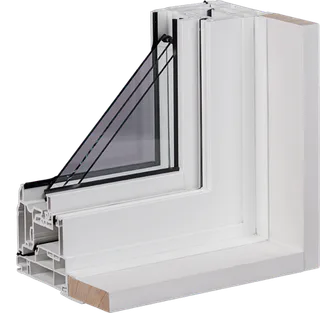
Cutaway view of a hung and slider window frame profile
Representative shared frame-profile evidence for hung and sliding sash construction.

Product examples

Product configurations related to common window problems and what they can mean..

Explore common configurations, then confirm the exact product, performance ratings and warranty in your written quotation.

Plan your replacement

Start with the opening you need to replace.

Compare suitable options, confirm the site measure and receive a written scope for product supply, installation and finishing.