Entry-door material comparison

Fiberglass vs steel entry doors.

Fiberglass and steel are both established exterior-door materials. The useful comparison is not which label is universally better, but how the slab surface, construction, finish, glass, frame and opening fit the project.

Oak-grain textured fiberglass entry door

A representative entry door configuration. The exact product, options and performance details are confirmed in your written quotation.

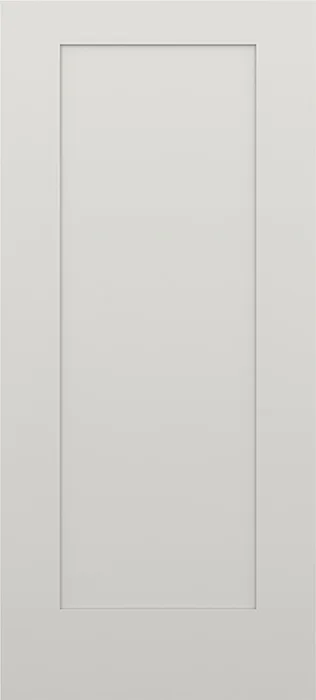
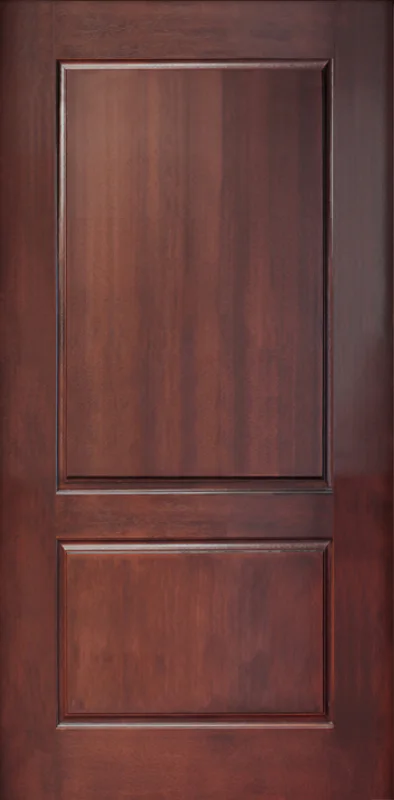
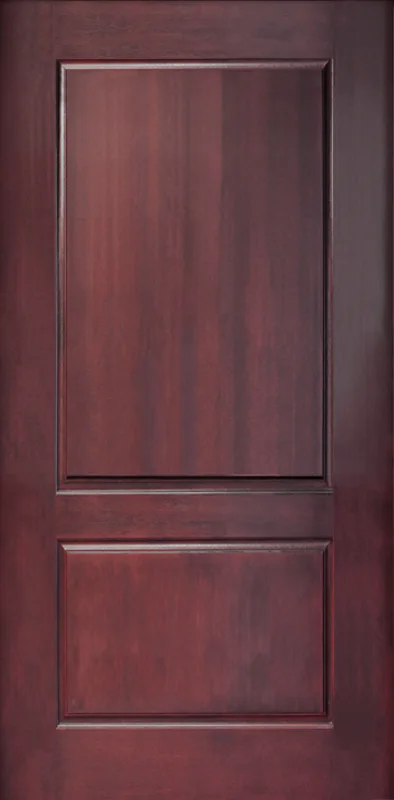
01Representative neutral imagery for both materials02Appearance and damage resistance compared03Glass and configuration availability considered04Exact construction confirmed in quotation

At a glance

Start with a clear project scope.

Fiberglass slabs can be smooth or textured to suggest woodgrain and are available across many panel directions. Steel slabs commonly provide clean smooth surfaces and crisp profiles. Exact skins, cores, edge construction and reinforcement vary by the selected system.

Durability depends on exposure, finish, use and maintenance. A material comparison cannot replace inspection of the threshold, jamb, weatherseals and opening, which often determine whether the finished entrance operates and seals properly.

Side by side

Material affects surface, finish and damage response.

The table describes common directions. A specific slab can differ, so use product documentation for construction, finish requirements, dimensions and warranty conditions.

Fiberglass and steel entry-door comparison
ConsiderationFiberglassSteel
AppearanceSmooth or textured skins with a wide range of panel and woodgrain directions.Commonly smooth with clean panel or flush directions; exact embossing varies.
Texture and grainWoodgrain textures are a common option where a stained or wood-like direction is desired.Usually selected for a smooth painted surface rather than woodgrain texture.
Dents and impactSurface response varies; fiberglass does not dent like sheet steel but can still crack or be damaged.Steel skins can dent from impact; repair and finish response depend on severity.
Finish choicesPainted and, for suitable textured products, stain-like finish directions may be available.Typically factory- or site-painted in compatible coating systems.
MaintenanceInspect finish, edges, seals, hardware and exposure; refinish as the documented system requires.Protect coating from damage and address exposed steel or corrosion promptly where it occurs.
Glass and configurationsAvailable across many panel, glass, sidelite and transom directions.Also available with glass and entrance configurations, subject to the exact system.
Weight and constructionCore, skin, stiles and reinforcement vary; do not infer weight from material name alone.Steel skin and internal construction vary; compare the complete prehung system.

Design direction

Start with the entrance you need, then select the material.

A traditional grained panel, smooth modern flush slab and glass-heavy entrance have different visual priorities. Fiberglass can support both smooth and textured directions; steel is often useful for restrained painted designs. Panel depth, glass proportion and hardware usually matter more to appearance than the material word alone.

Colour exposure matters. Dark finishes in strong sun, storm-door use and sheltered versus exposed entrances can affect manufacturer finish requirements. Those conditions should be reviewed for the exact quoted system.

01

Fiberglass direction

Consider when textured grain, varied panel geometry or a stain-like appearance is important, subject to available finish systems.

02

Steel direction

Consider for clean painted surfaces, straightforward panels or flush contemporary designs where the exact construction fits.

03

Either material

Coordinate slab, frame, threshold, glass, sidelites, transom, hardware and finish as one entrance.

Use and exposure

Damage resistance and maintenance depend on conditions.

Fiberglass avoids the classic dent behaviour of thin sheet metal, but impact can still mark, chip or crack a surface. Steel can resist ordinary use well while remaining susceptible to dents and corrosion where protective coatings are breached. Neither material is maintenance-free.

Water at the sill, failed perimeter seals, poorly adjusted hardware and finish breakdown can affect either system. Regular inspection should focus on drainage, threshold support, weatherseals, hinges, locking, finish and bottom-edge condition.

Selection checklist

Opening, glass and finish narrow the decision.

Confirm slab size, swing, jamb depth, sill, glass amount, privacy, sidelites, transom and hardware before choosing from surface appearance. Existing floor height, exterior cladding and interior trim affect installation regardless of material.

Fiberglass examples cover smooth, woodgrain, panelled and glass configurations. Steel is presented as a material category so homeowners can compare construction, finish and care without implying that every steel system is identical.

01

Compare fiberglass directions

Compare smooth, oak-grain, mahogany-grain, Craftsman and glass configurations.

02

Review steel as a category

Use the steel entry-door page for material planning without implying a specific unpublished product.

03

Confirm in writing

The quotation identifies exact slab, model, finish, glass, hardware, frame and installation scope.

Technical and configuration details

Fiberglass vs steel entry doors.: construction and configuration details.

Each visual explains a specific detail relevant to fiberglass vs steel entry doors.. Captions identify its practical limits.

Representative dark steel entry door with upper glass and lower panels
Representative steel entry-door direction for material comparison. The exact door system is confirmed in a written quotation.

Product examples

Product configurations related to fiberglass vs steel entry doors..

Explore common configurations, then confirm the exact product, performance ratings and warranty in your written quotation.

Plan your replacement

Start with the opening you need to replace.

Compare suitable options, confirm the site measure and receive a written scope for product supply, installation and finishing.