Installation method

Full-frame window replacement explained.

Full-frame replacement removes the existing window frame rather than setting the new unit inside it. That creates access to more of the opening, but it also brings the interior and exterior finish interfaces into the project.

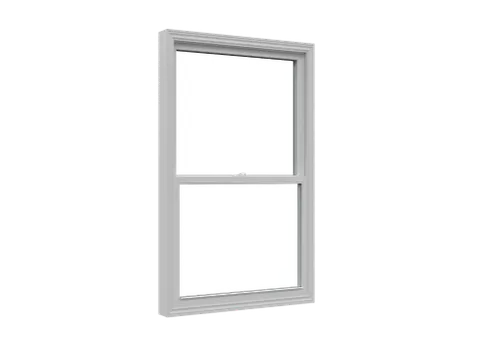
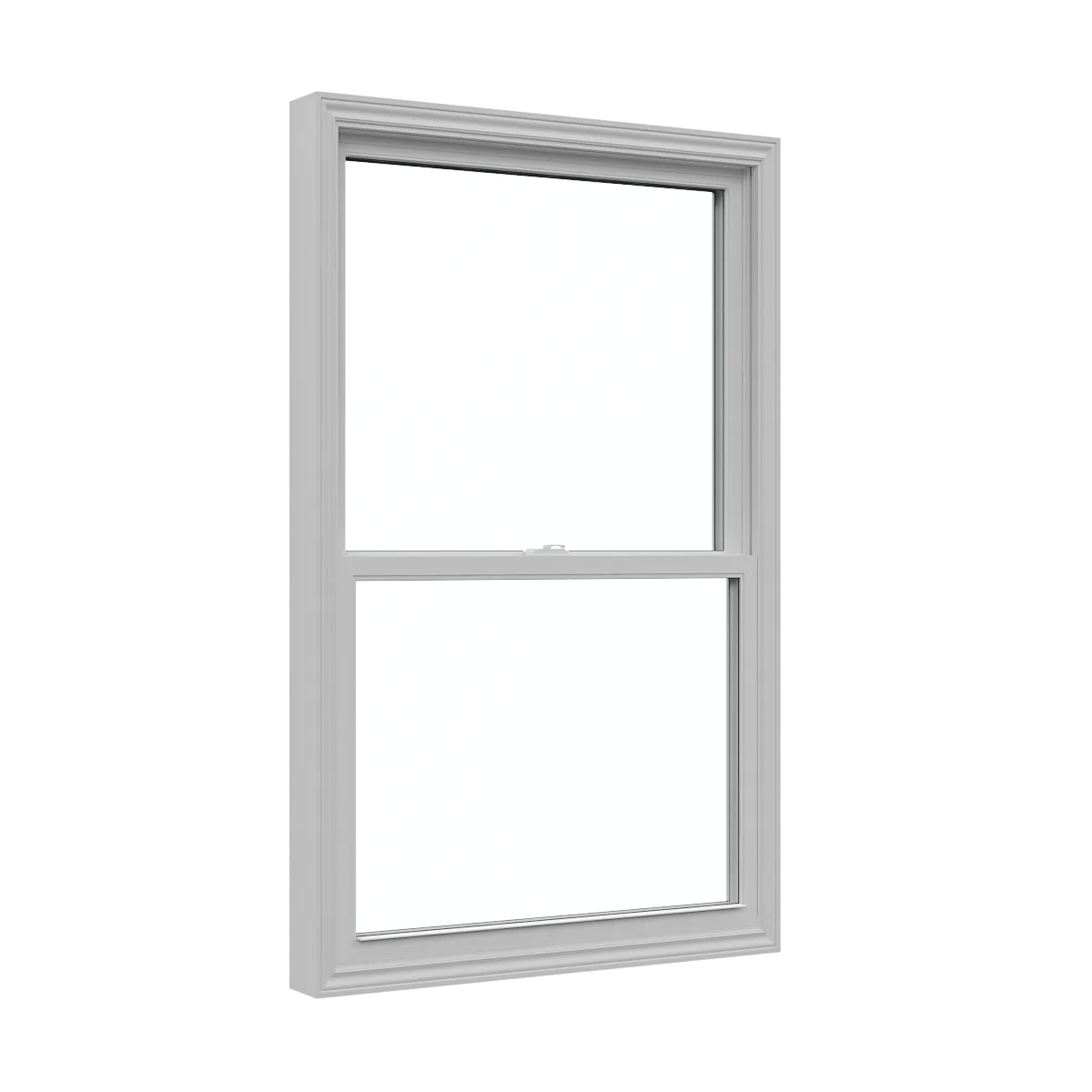
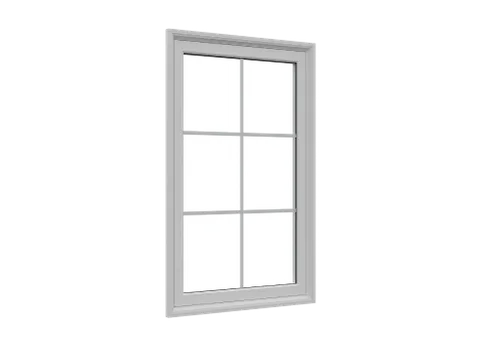
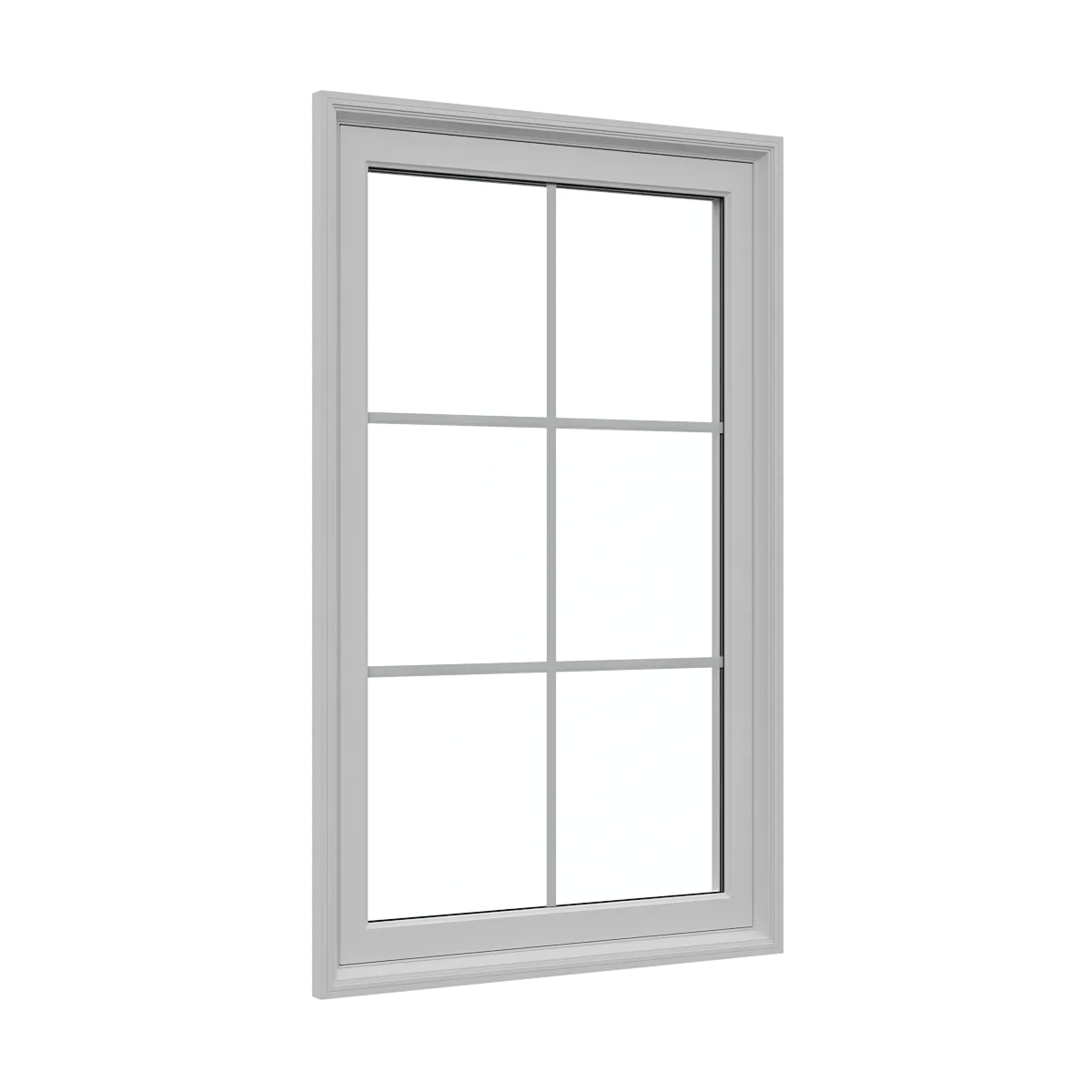
Deep-frame white casement replacement window

A representative replacement window configuration. The exact product, options and performance details are confirmed in your written quotation.

01Existing main frame removed02Greater access to the rough opening03Interior and exterior finishes may change04Higher scope and disruption than many insert projects

At a glance

Start with a clear project scope.

The exact removal boundary varies with the existing window and wall. In general, the old sash and main frame are removed so the opening can be inspected before the new unit is installed. Interior casing, jamb extensions, exterior brickmould or capping may also be affected.

Full-frame work is not automatically required for every home. It is valuable when the retained frame is unsuitable, when direct perimeter access is needed, or when product and finish goals justify the broader scope.

Removal boundary

What “full frame” means at the opening.

The old operating parts and glass come out along with the main frame. More of the substrate, sill and perimeter becomes visible than an insert installation would expose, revealing gaps, deterioration or prior water-management details that were concealed.

The term should still be defined in the quotation. Wood jambs, metal or vinyl frames, masonry openings, siding, exterior capping and built-up trim create different removal and rebuilding scopes. “Full frame” does not say which casing, jamb, sill or exterior finish is included.

01

Removed

The existing sash and main frame are removed to create a broader installation opening.

02

Exposed

More of the sill, perimeter substrate, insulation space and prior water-management connection can be inspected.

03

Rebuilt or finished

Interior jambs, casing, exterior brickmould, capping or cladding returns may need modification or replacement.

Suitable conditions

When full-frame replacement is often preferable.

A deteriorated, distorted or poorly integrated existing frame is a strong reason not to build a new installation around it. Full-frame work can also preserve more glass area than placing a new frame inside the old one, although the final sightline depends on both old and new profiles.

The method may support a changed window style, revised combination or coordinated exterior renovation. Structural opening changes are separate work requiring their own assessment; removing the old frame does not by itself authorize changing the wall.

01

Frame deterioration

The existing frame has rot, corrosion, distortion or other conditions that make retention unreliable.

02

Perimeter access

The project needs direct access to insulation gaps, substrate or prior water-management details.

03

Opening goals

An insert would reduce the clear opening unacceptably or the configuration changes within the existing rough opening.

04

Coordinated finishes

Interior trim, exterior cladding or capping is already being replaced, making the broader scope practical.

Advantages and tradeoffs

Broader access comes with broader work.

The main advantage is access: the installer can assess more of the opening and establish new frame-to-wall connections. The tradeoffs are time, cost, disruption and finish complexity. Removing more material creates more interfaces that must be rebuilt properly.

Full-frame removal can reveal necessary work that could not be priced with certainty beforehand. A useful quotation explains allowances, exclusions or the approval process for repairs instead of pretending every hidden condition is included in one assumption.

Full-frame replacement considerations
ConsiderationTypical implication
Rough-opening visibilityMore of the sill, substrate and perimeter becomes visible after removal.
Glass and clear openingMay preserve more opening than an insert, subject to the new frame profile.
Interior finishJamb extensions, casing, drywall or other returns may need work.
Exterior finishBrickmould, capping, sealant joints, siding or masonry interfaces may be affected.
DisruptionUsually more removal, preparation and finishing than an insert installation.
Relative costCommonly higher because labour, materials and concealed-condition exposure are greater.

Written scope

The quotation should define the finish boundary.

Confirm whether casing will be removed and replaced, whether jamb extensions are included, how exterior brickmould or capping will be handled and what paint or touch-up work is excluded. The scope should state removal, disposal, insulation, air sealing and exterior water management.

If visible evidence suggests damage, ask how investigation and repair will be documented. The answer may be an allowance, a unit rate, a separate repair quotation or an approval step after removal.

Technical and configuration details

Full-frame window replacement explained.: construction and configuration details.

Each visual explains a specific detail relevant to full-frame window replacement explained.. Captions identify its practical limits.
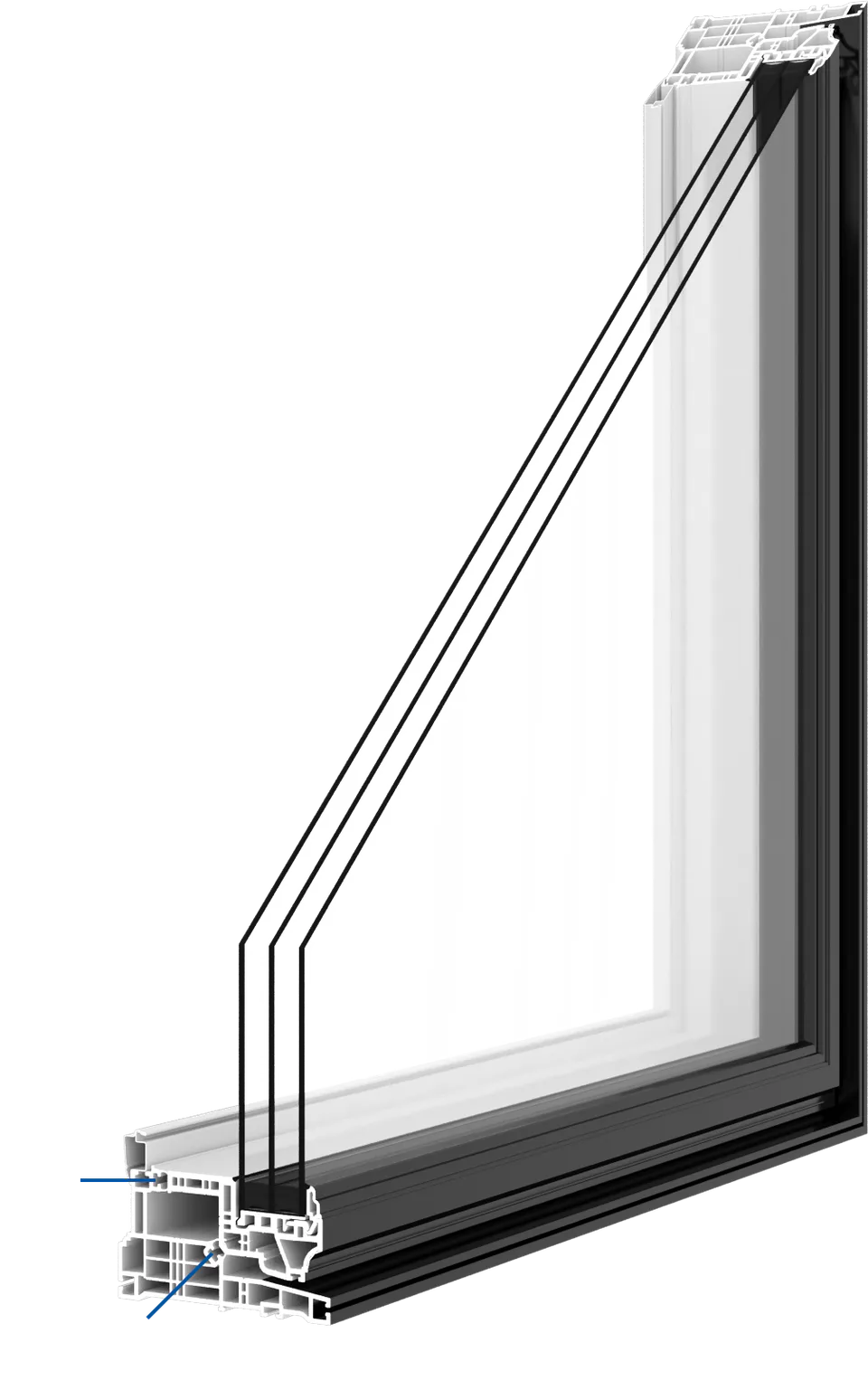
Cutaway view of a deeper window frame and insulated glass profile
Representative deeper frame and glass profile. This explains product construction, not the wall-installation detail.

Product examples

Product configurations related to full-frame window replacement explained..

Explore common configurations, then confirm the exact product, performance ratings and warranty in your written quotation.

Plan your replacement

Start with the opening you need to replace.

Compare suitable options, confirm the site measure and receive a written scope for product supply, installation and finishing.